

Help Desk: The End-User Experience
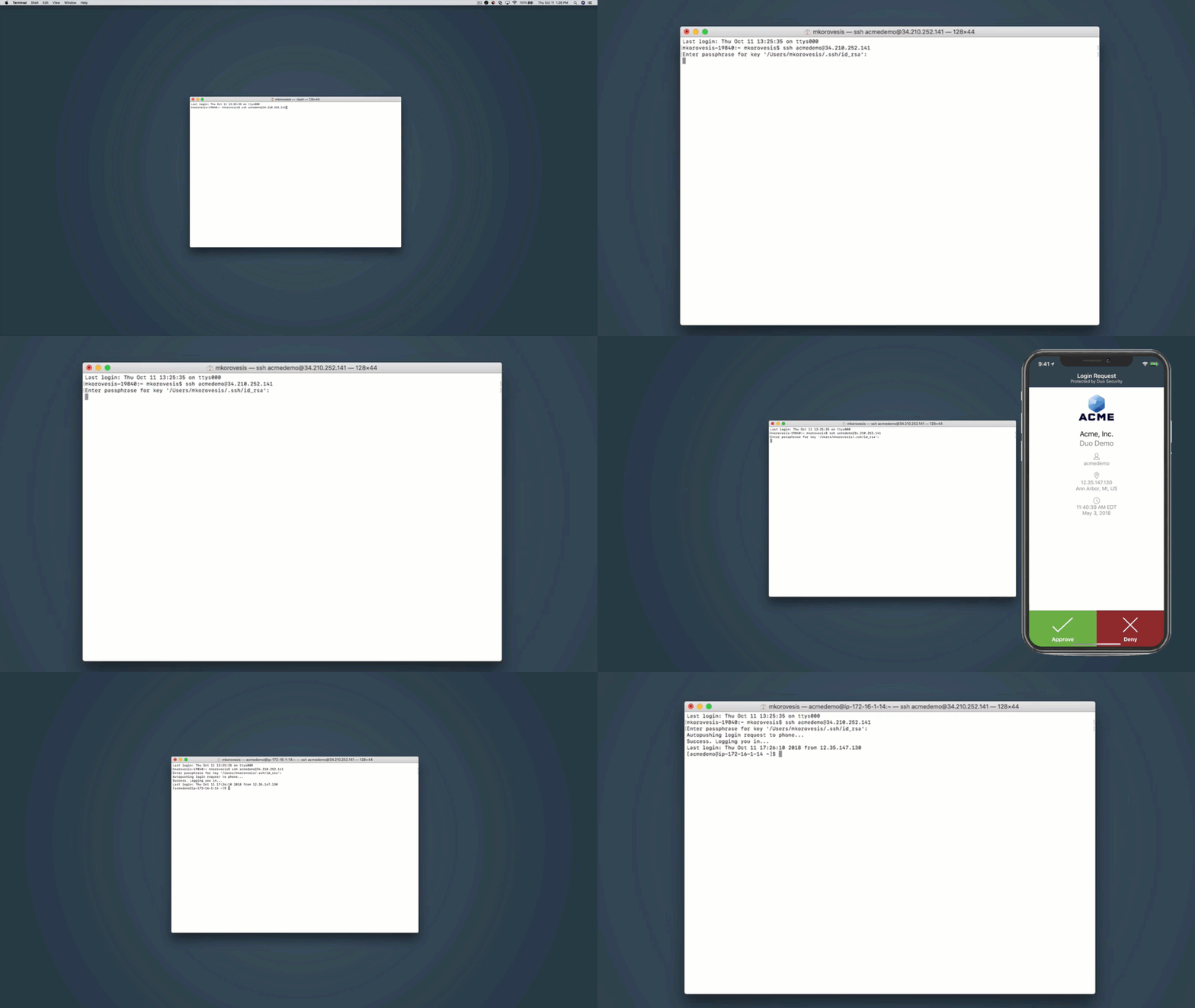
Duo can be added to any Unix system to protect remote (SSH) or local logins. Watch how Duo Unix authenticates in terminal without the use of the Duo Prompt.

Every Experience is Different
Duo protects just about everything, and the end-user experience will vary based upon the application that is being protected. For more information about the different end-user authentication experiences, reference our end-user guide at guide.duo.com or search for your application's integration documentation at duo.com/docs.
Duo supports a wide variety of application integrations, including those that are not web-based. If a Duo-protected application uses a thick client or authenticates outside of a normal browser window, such as via terminal or a VPN client, the Duo Prompt may or may not be displayed to end-users. Check out a couple thick client examples below:
Duo Two-factor Authentication for Unix
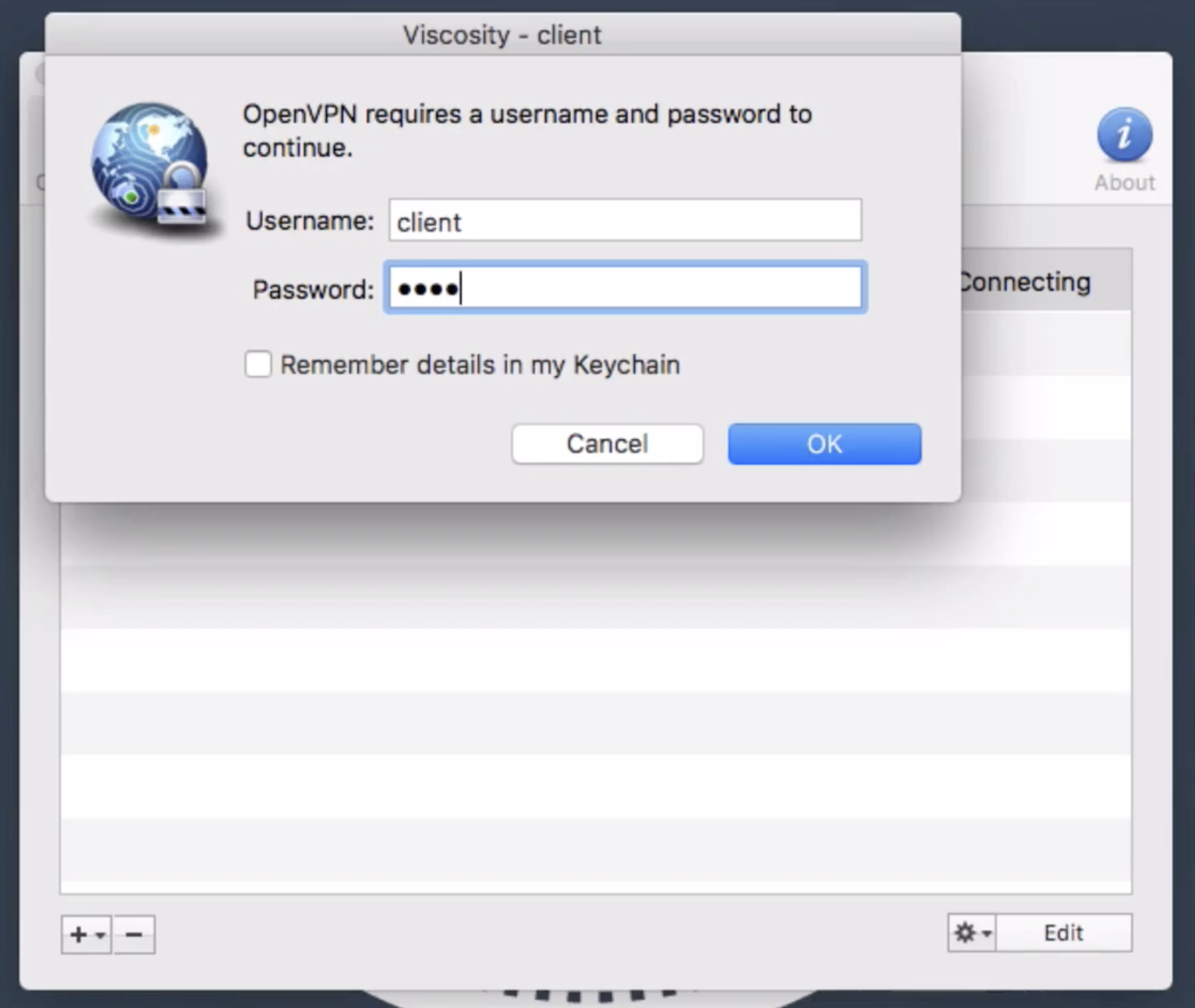
Check out the end-user experience for OpenVPN, where a user authenticates without the Duo Prompt. Watch how the pre-existing password field is used to enter the name of a Duo authentication method (e.g, push, phone, etc).

Note: This course may no longer be accurate!
This course is an archived version saved for my professional portfolio. While much of this information is still true, the content is not guaranteed to be accurate. Current Duo administrators can find up-to-date resources at duo.com/docs and help.duo.com.